

Hits super effectively
IceRockFairy
Type guide
Compare all 18 Pokemon types, then use the planner and chart when choosing a final six.
Type planner
Compare offense, defense, and partner types before you commit a slot in the team builder.
Use this as a quick first pass, then confirm exact dual-type matchups in the type chart and test the full six Pokemon team on the builder.
All types
Pidgeot, Pidgeot Mega, Raticate
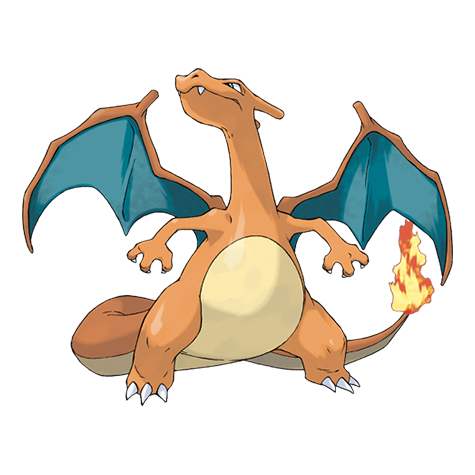
Charizard, Charizard Mega X, Charizard Mega Y
Blastoise, Blastoise Mega, Blastoise G-Max
Raichu, Raichu Alola, Raichu Mega X
Venusaur, Venusaur Mega, Venusaur G-Max
Sandslash Alola, Ninetales Alola, Dewgong
Poliwrath, Machamp, Machamp G-Max
Venusaur, Venusaur Mega, Venusaur G-Max
Sandslash, Nidoqueen, Nidoking
Charizard, Charizard Mega Y, Charizard G-Max
Raichu Alola, Alakazam, Alakazam Mega
Butterfree, Butterfree G-Max, Beedrill
Arcanine Hisui, Golem, Golem Alola
Gengar, Gengar Mega, Gengar G-Max
Charizard Mega X, Exeggutor Alola, Dragonite
Raticate Alola, Raticate Totem Alola, Persian Alola
Sandslash Alola, Dugtrio Alola, Forretress
Clefable, Clefable Mega, Ninetales Alola
Quick guide
Types help you see switch-in safety, offensive pressure, and repeated weaknesses before the roster gets too complicated.
A good core usually mixes pressure, resistance, and at least one useful immunity.
A type can look strong alone and still overlap badly with the rest of the team.
FAQ
There are 18 modern Pokemon types: Normal, Fire, Water, Electric, Grass, Ice, Fighting, Poison, Ground, Flying, Psychic, Bug, Rock, Ghost, Dragon, Dark, Steel, and Fairy.
There is no single best type for every team. Strong types still need teammates that cover their weaknesses, resist common attacks, and fit the ruleset.